Christmas Markets in Europe 2026: The Best Ones, Dates and When to Book
There's a moment every year when half of Europe smells of cinnamon, mulled wine and roasted chestnuts. Main squares fill up with wooden huts, the lights come on as soon as the afternoon fades (which in December is ridiculously early) and cities you thought you knew suddenly look like something out of a fairy tale. These are the Christmas markets, and in this guide we tell you which ones are truly worth the trip in 2026, which dates are confirmed and when to book so you don't pay double.
The images in this article are AI-generated. Dates checked at the end of October 2026; some cities have not yet published their official calendar, so confirm on their website before you buy anything.
When to go in 2026
Most markets open between mid and late November and run until just before Christmas, so you have roughly four weekends to choose from. The first two weekends of December are the busiest: in Spain, for example, the 8 December bank holiday falls on a Tuesday this year, which means a four-day weekend for millions of travellers. If you can, aim for late November or mid-week dates, and book flights and hotels as early as possible, because prices climb as December gets closer.
Strasbourg: the "Capital of Christmas"
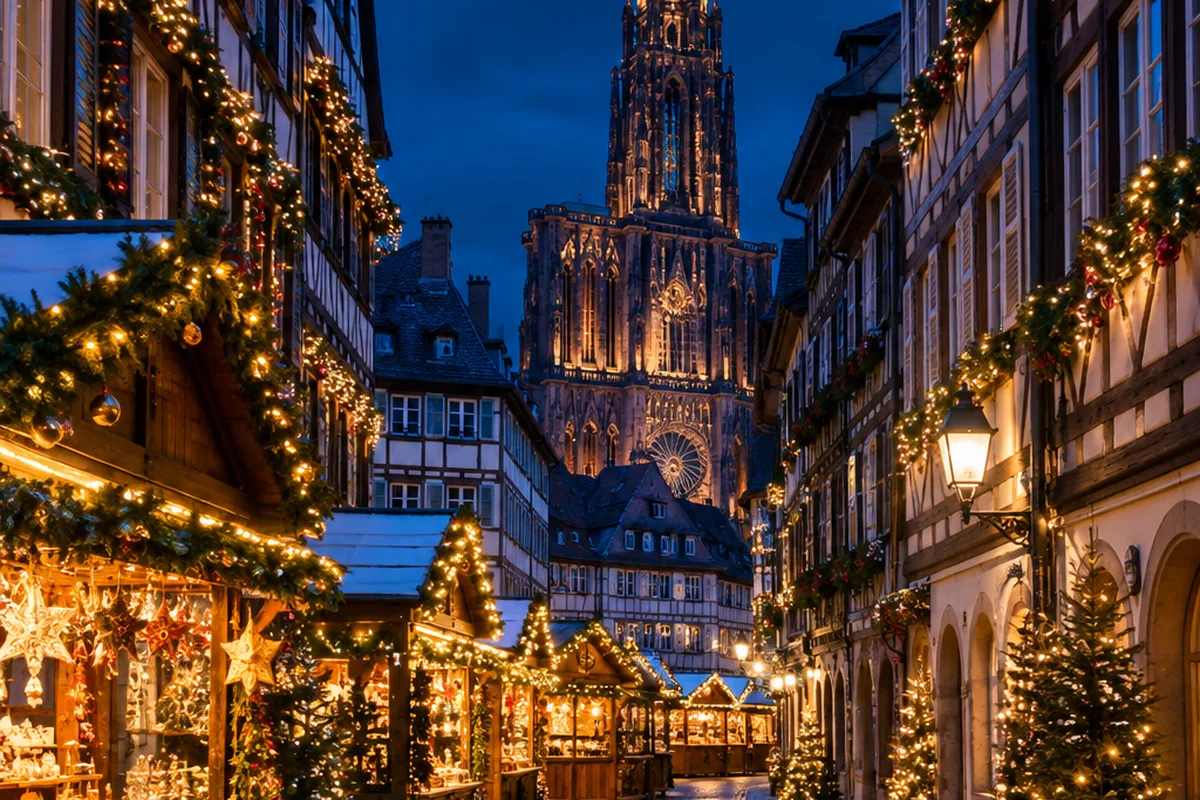
Its market, the Christkindelsmärik, has been held since 1570 and is one of the oldest in Europe. It opens in late November (the city hasn't published the exact 2026 dates yet). What makes it special isn't just the history: the whole city becomes the market, with stalls spread across more than ten squares, the giant fir tree on Place Kléber and the half-timbered houses of La Petite France lit up like gingerbread.
If you have an extra day, Colmar is less than an hour away by train and looks like a film set, with its canals and colourful façades. A tip: Strasbourg is one of the busiest markets on the continent. Book your accommodation well in advance, or stay in Colmar or a village on the Alsace Wine Route and travel in by train.
Nuremberg: the classic of classics
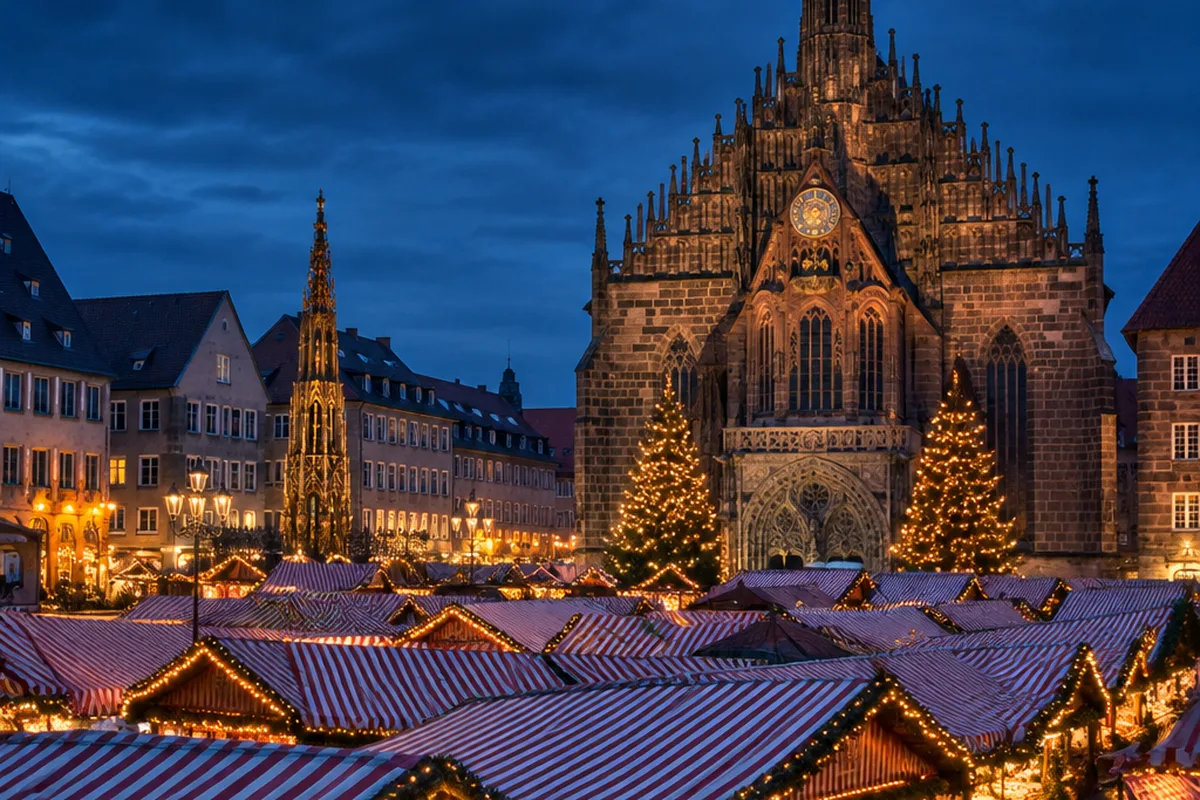
Nuremberg's Christkindlesmarkt runs from 27 November to 24 December this year and is pure tradition: stalls with red-and-white striped roofs, little figures made of prunes, the famous spiced gingerbread (Lebkuchen) and tiny Nuremberg sausages served three in a bun. Wash it all down with a Glühwein, the spiced mulled wine served in decorated ceramic mugs you can return or keep as a souvenir.
Don't miss the opening ceremony, when the Christkind, the Christmas angel, recites her prologue from the balcony of the Church of Our Lady and declares the market open.
Cologne: at the foot of the cathedral
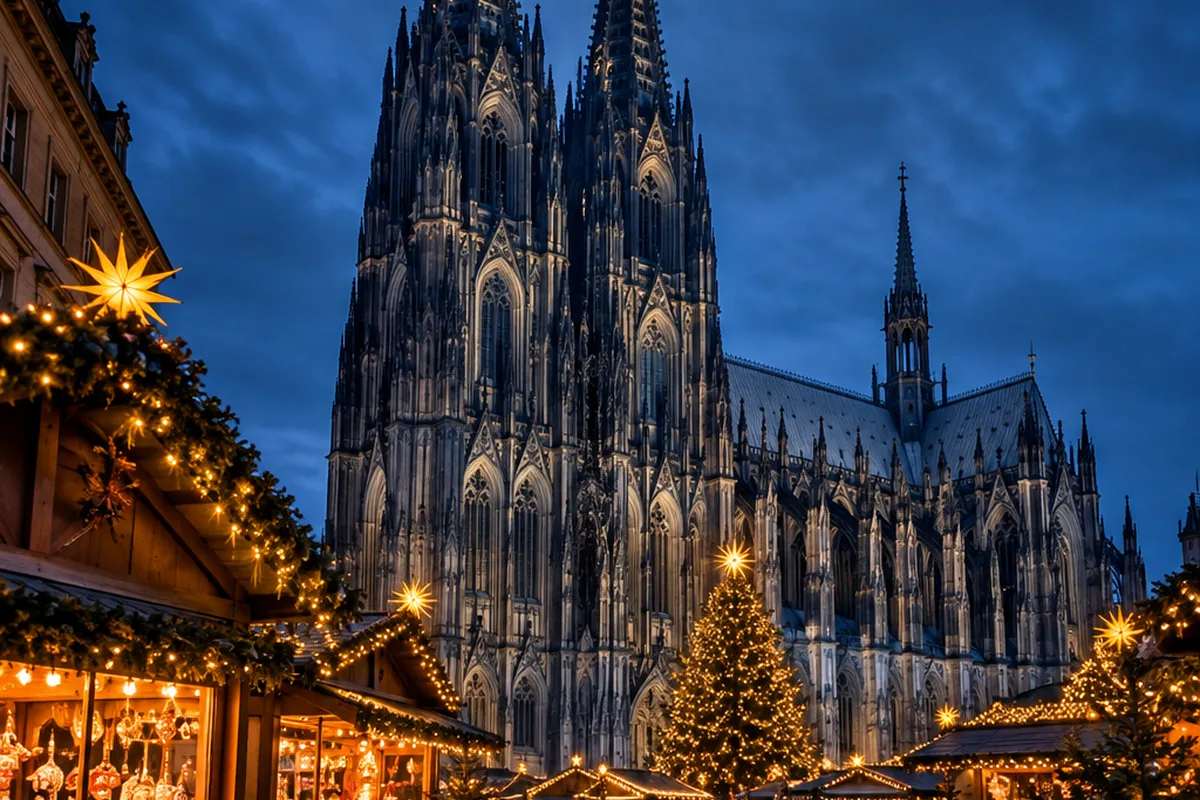
Germany has hundreds of Christmas markets, but few scenes beat Cologne's: glowing stalls beneath the Gothic towers of the cathedral. It opens from mid-November (the 2026 dates are still provisional), and the city adds several more markets, such as the one in the old town or the harbour market, so there's enough for a full weekend. If you still want more, Dresden and Munich are just as good.
Vienna: a dozen markets, each with its own personality
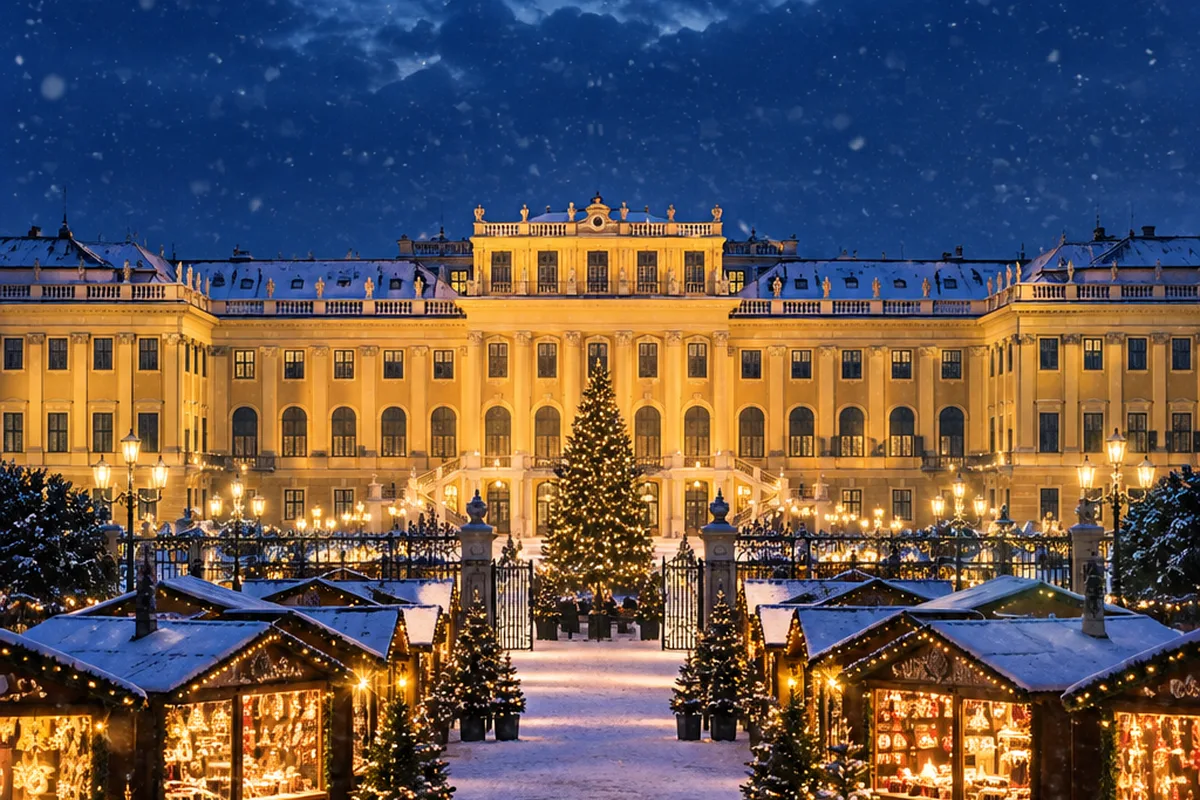
The Austrian capital is in a league of its own. These are the must-sees:
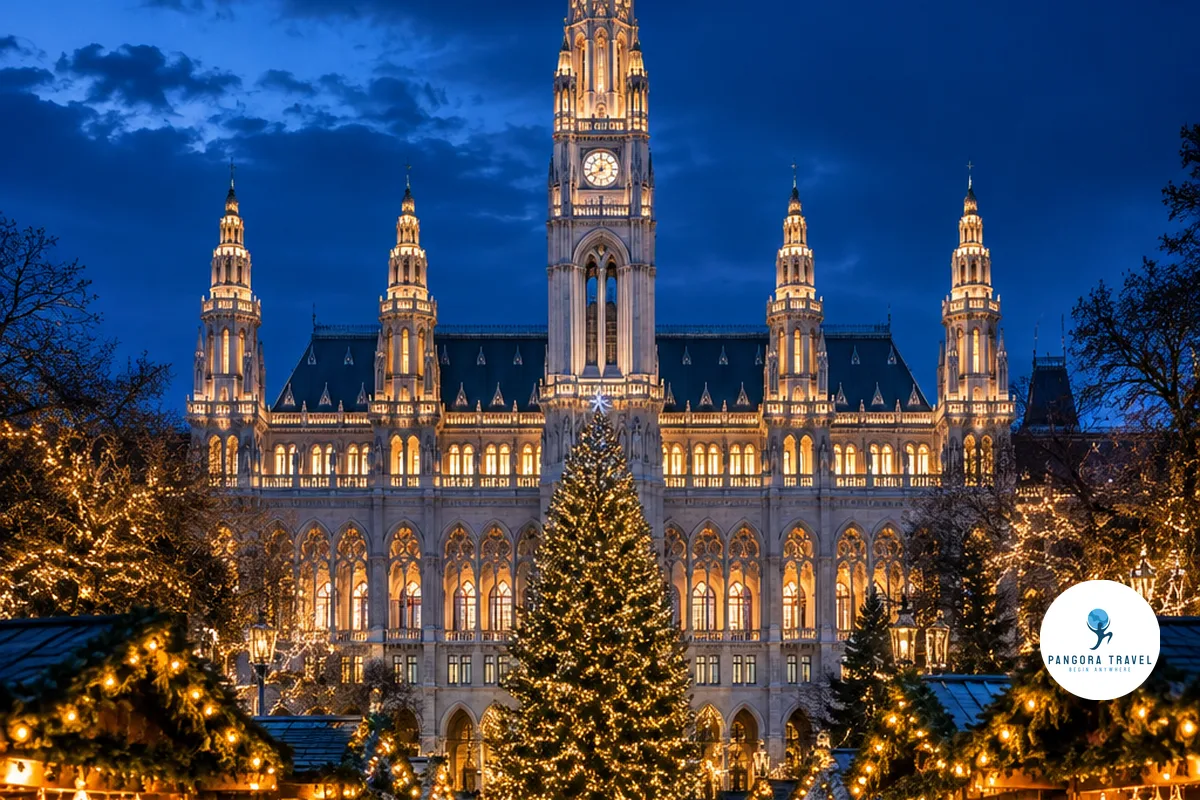
- City Hall Square (Rathausplatz): 13 November to 26 December. The most famous one, with an ice rink that winds between the park's trees.
- Schönbrunn Palace: 6 November to 6 January. The most elegant, with the imperial palace as a backdrop, and one of the longest-running.
- Spittelberg: tucked into cobbled lanes, with more crafts and fewer tourists. A favourite of many Viennese.
The trick here is to try Punsch, a hot fruit punch, and end the afternoon in a traditional coffee house with a slice of Sacher torte. If you'd like to add a concert, Vienna has Christmas concerts in churches and palaces almost every day in December. The best tickets go fast, so check the programme early.
Prague and Budapest: the magic for less
If you want something more affordable without giving up the magic, note these two. In Prague, the Old Town Square market, with the astronomical clock and the Týn Church behind it, is one of the prettiest Christmas scenes in Europe. Try a trdelník, the rolled pastry cooked over embers (although, to be honest, it's more touristy than Czech).
In Budapest, Vörösmarty Square and the square in front of St Stephen's Basilica compete every year for the title of best market, and at night there's a light show projected onto the basilica's façade. To round it off, there's nothing like a soak in an open-air thermal bath, with steam rising off the water while it's freezing outside.
More ideas: from the Baltic to Spain
- Tallinn (Estonia): it claims one of the first public Christmas trees in history, in Town Hall Square, and its snowy medieval old town is straight out of a storybook.
- Copenhagen: the Tivoli Gardens turn into a world of lights.
- Bruges: canals, chocolate and a market that's perfect for a short trip from Brussels.
- Barcelona: the Fira de Santa Llúcia, in front of the cathedral, has been held since 1786 and is the place for nativity figures and the famous caganer.
- Madrid: the Plaza Mayor market is still an essential tradition, with its colourful wigs and joke shop items.
When to book and practical tips
Markets open between mid and late November and most close just before Christmas, although some, like Schönbrunn, stay open until Epiphany. The practical bit, in five points:
- Book early. Flights for the first weekends of December rise sharply from mid-November. If you haven't booked yet, now is the time.
- Go mid-week if you can. Fewer crowds, cheaper hotels and you can enjoy the stalls without the elbowing.
- Arrive at dusk. The moment the lights come on is the best of the day.
- Carry cash. Many small stalls still don't take cards.
- Dress in layers. In Central Europe in December it's easy to drop below zero.
Build your own Christmas market route
Combining two or three cities is the best way to make the most of a long weekend: Strasbourg and Colmar; Vienna, Bratislava and Budapest; or Cologne and Aachen. The hard part is working out which market to see each evening, where to sleep and how to get between cities without losing half a day in transfers.
That's what Pangora Travel is for: tell it where you want to go, how many days you have and what kind of trip you're after, and it prepares a day-by-day itinerary you can edit as you like and download as a PDF with maps and accommodation. You get five free trips a year, so you can try it with your Christmas getaway. Which market will it be this year? Start planning at pangoratravel.com.
Create your travel itinerary with AI
Pangora Travel plans your trip day by day in minutes, with transport, accommodation and activities.
Plan my tripArticle created with the help of artificial intelligence.
Explore more
Related articles